
By the 1960s, Fuengirola was beginning to stir from its quiet, traditional past. Spain was still under the rule of Francisco Franco, and although the regime maintained tight control over politics and culture, something new was creeping into coastal towns like this—tourism, curiosity, and the first hints of change.
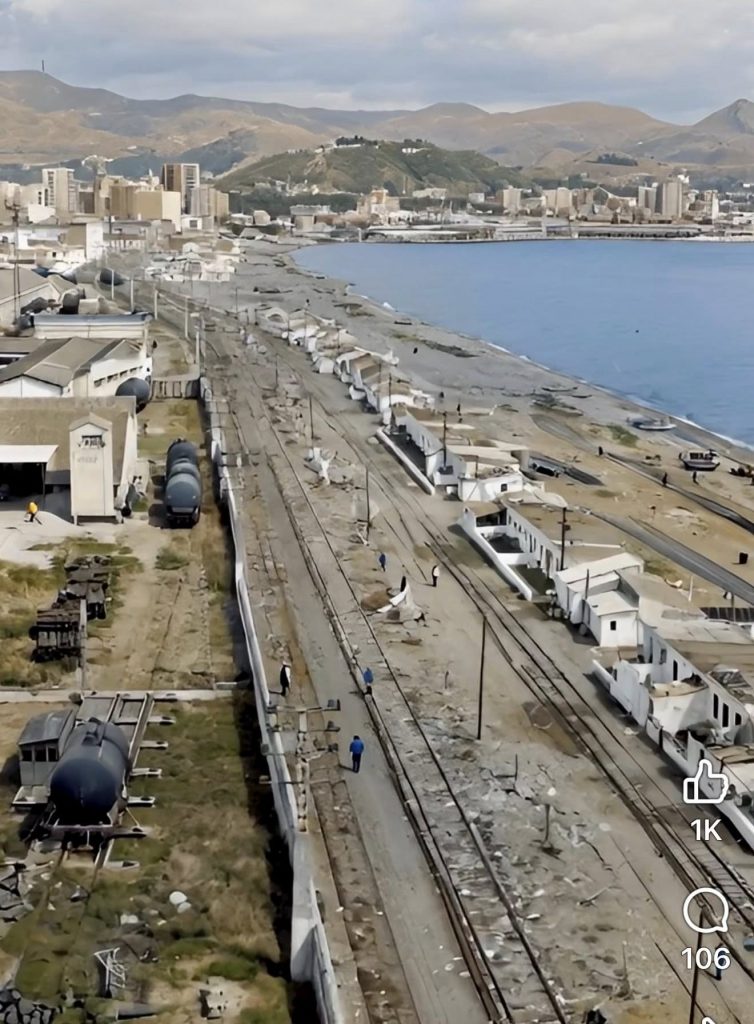
Along San Andreas Beach, the transformation was subtle but unmistakable. What had once been a working shoreline of fishing boats and drying nets slowly began to attract sun-seeking visitors from northern Europe. The beach was still raw and unpolished—no rows of umbrellas or cocktail bars—but now you might see a mix of locals and early tourists sharing the same stretch of sand. Fishermen still launched their boats at dawn, but by midday, small groups of foreigners would lie under the sun, pale against the Andalusian light, discovering a Spain that felt both exotic and untouched.
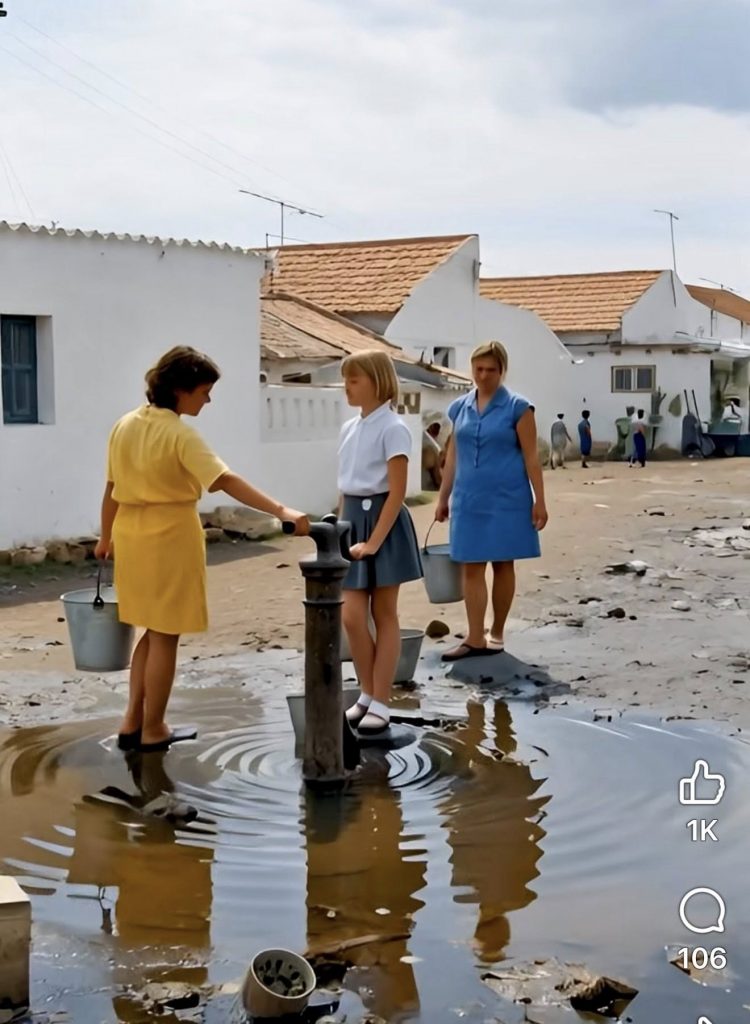
The atmosphere was a contrast of worlds. On one side, tradition held firm—families gathering for long lunches, women tending homes, and men working the sea. On the other, a quiet economic shift was underway. Small guesthouses began to appear, cafés adapted to new tastes, and the local economy slowly opened itself to outside influence.
Near the town, the so-called “Old Dog Station” stood as a lesser-known but telling symbol of this transitional era. Originally tied to transport and working life—used for guarding, movement of goods, or local utility—it became something of a local landmark as the town evolved. For residents, it was just another part of daily life, but in hindsight it represents the practical, working backbone of Fuengirola before tourism fully reshaped its identity.
The 1960s in Fuengirola were not yet about mass tourism—that would explode later—but about the tension between preservation and progress. Franco’s Spain encouraged economic development, especially along the Costa del Sol, as a way to bring in foreign currency. Roads improved, infrastructure slowly expanded, and whispers of a different future grew louder with each passing year.
San Andreas Beach, the Old Dog Station, and the everyday lives of locals all existed in this in-between moment—where a traditional Spanish fishing town stood on the edge of becoming an international destination.
It was a decade of quiet transformation. Not dramatic, not instant—but irreversible.