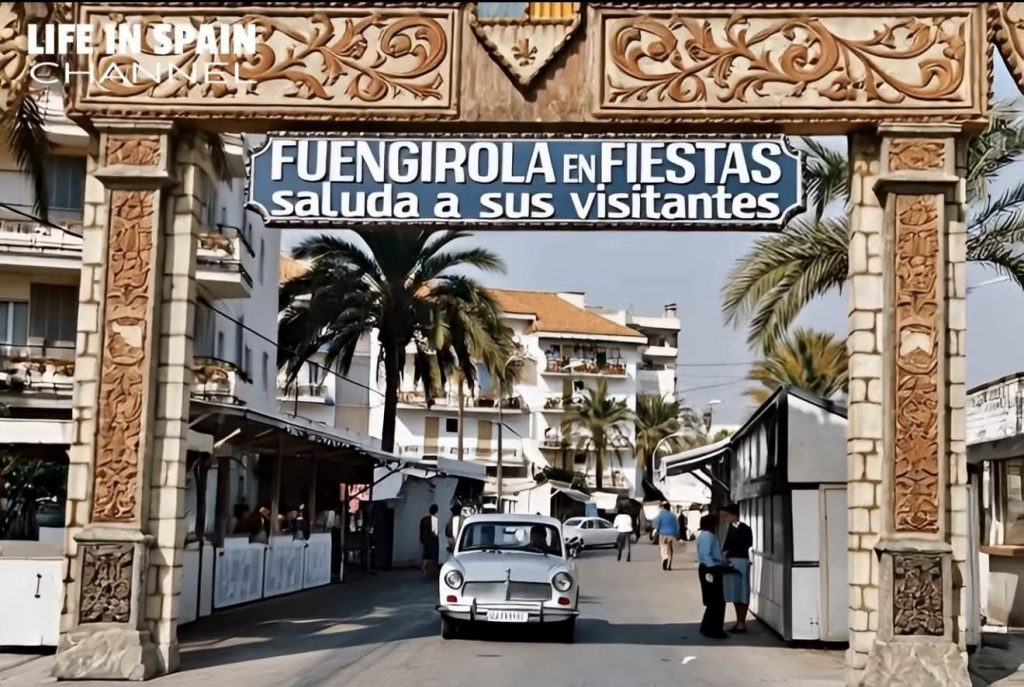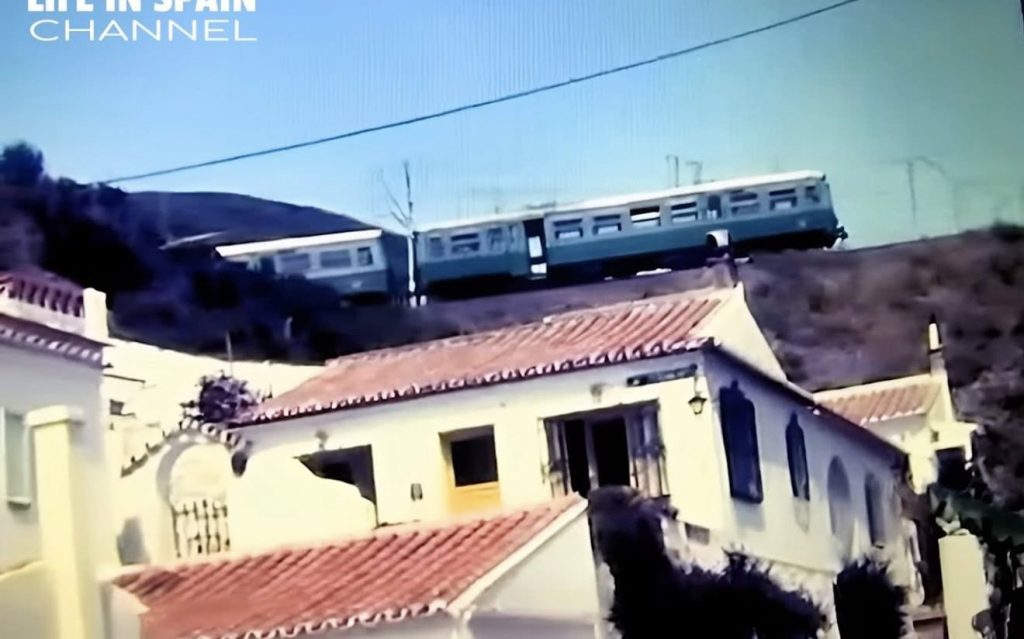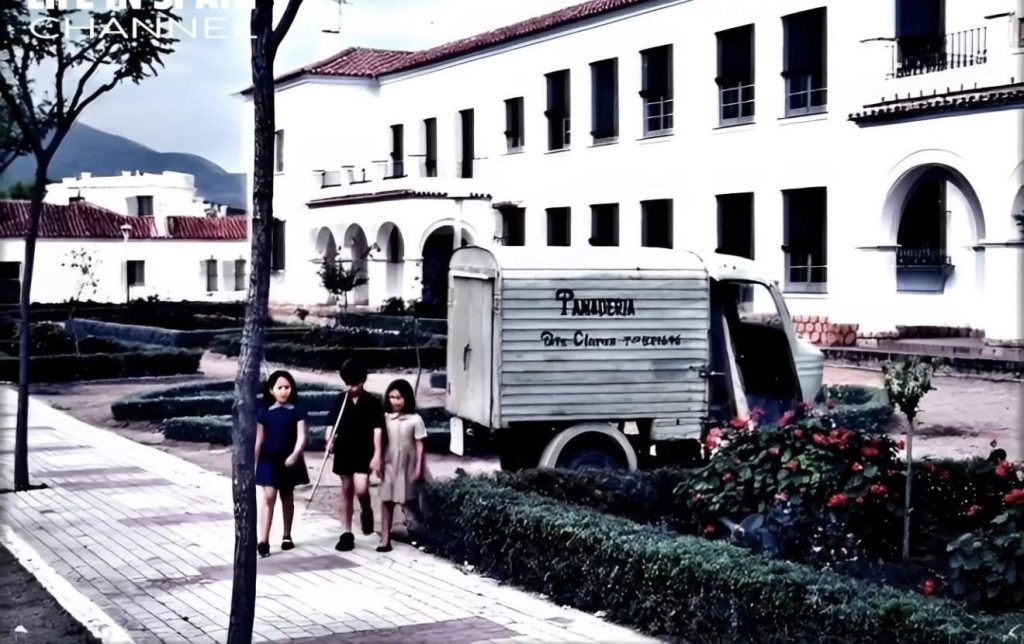
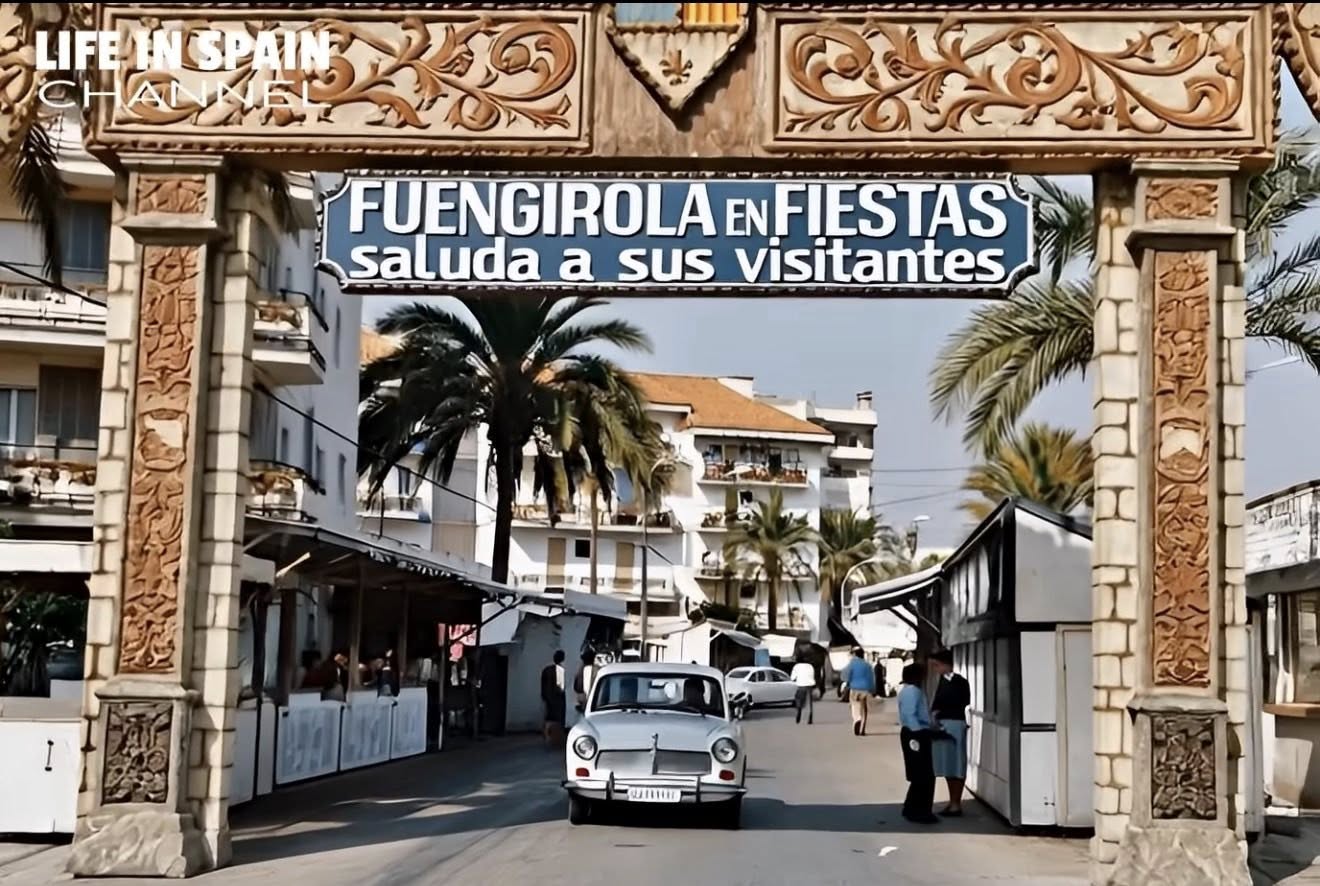
In the 1950s, Fuengirola was a world away from the bustling holiday hotspot it is today. Nestled along the southern coast of Spain in Andalusia, it was a small, humble fishing village where life moved slowly and predictably with the rhythm of the sea.
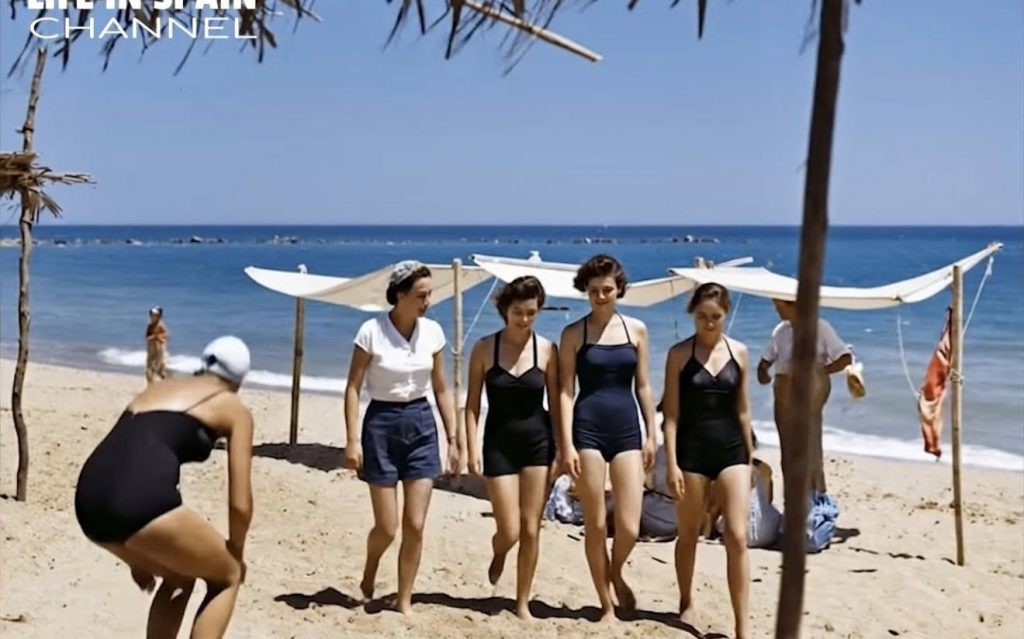
The town’s identity revolved around its fishermen. At dawn, wooden boats would set out across the calm Mediterranean waters, returning later in the day with their modest catches—sardines, anchovies, and shellfish that would be sold fresh in the local markets or cooked simply over open flames. The beach was not yet lined with sunbeds or bars, but instead with nets drying in the sun and children playing barefoot in the sand.
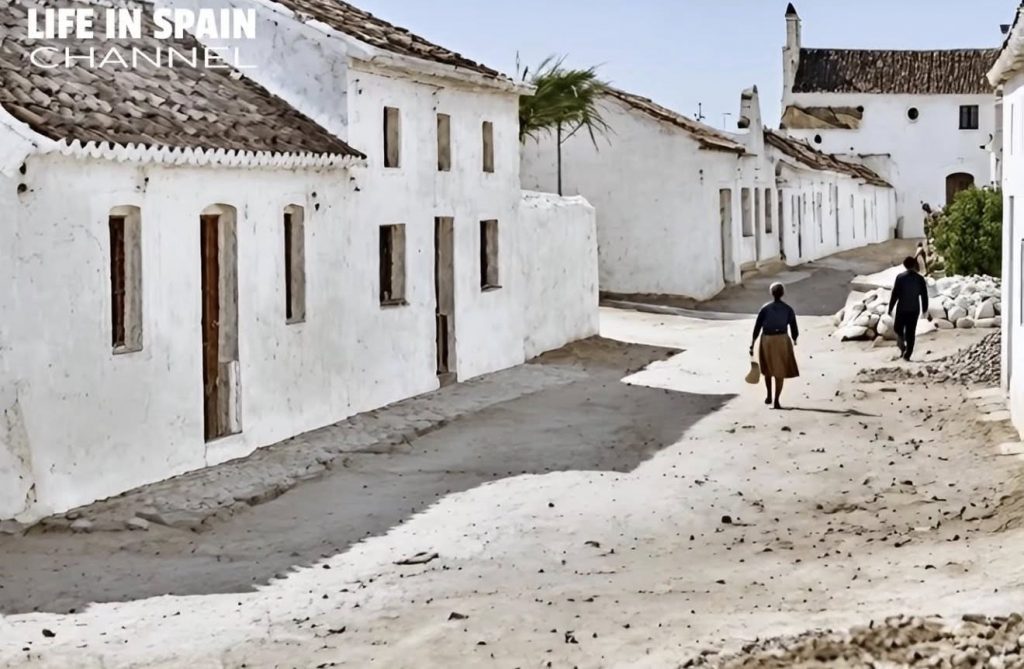
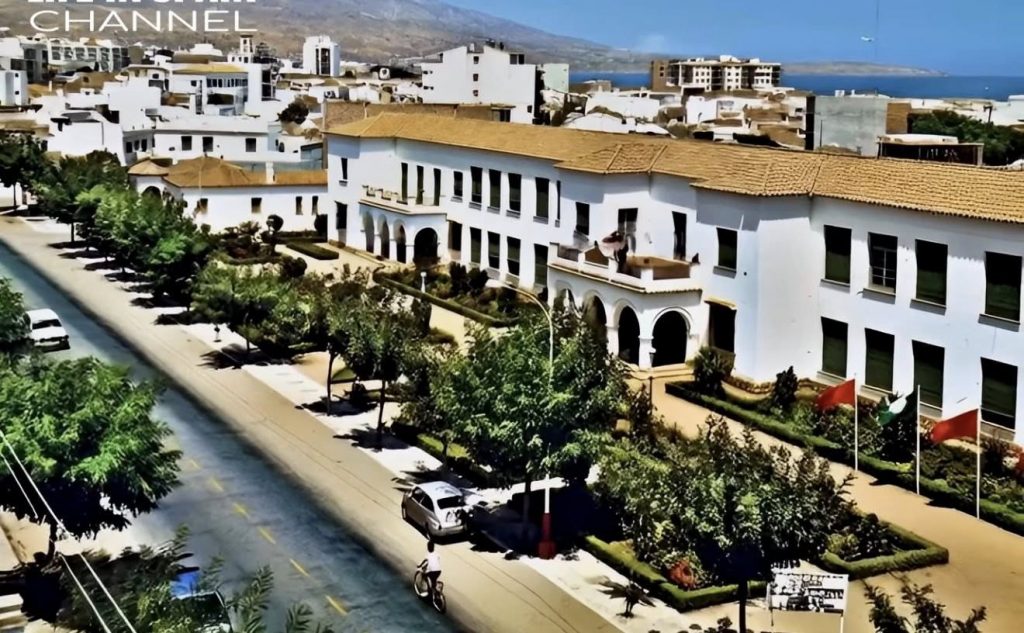
The streets of Fuengirola were narrow, whitewashed, and largely unpaved. Donkeys and bicycles were more common than cars, and neighbours knew each other by name. Life was communal—families gathered in the evenings, sharing food, stories, and music under the warm glow of street lamps.
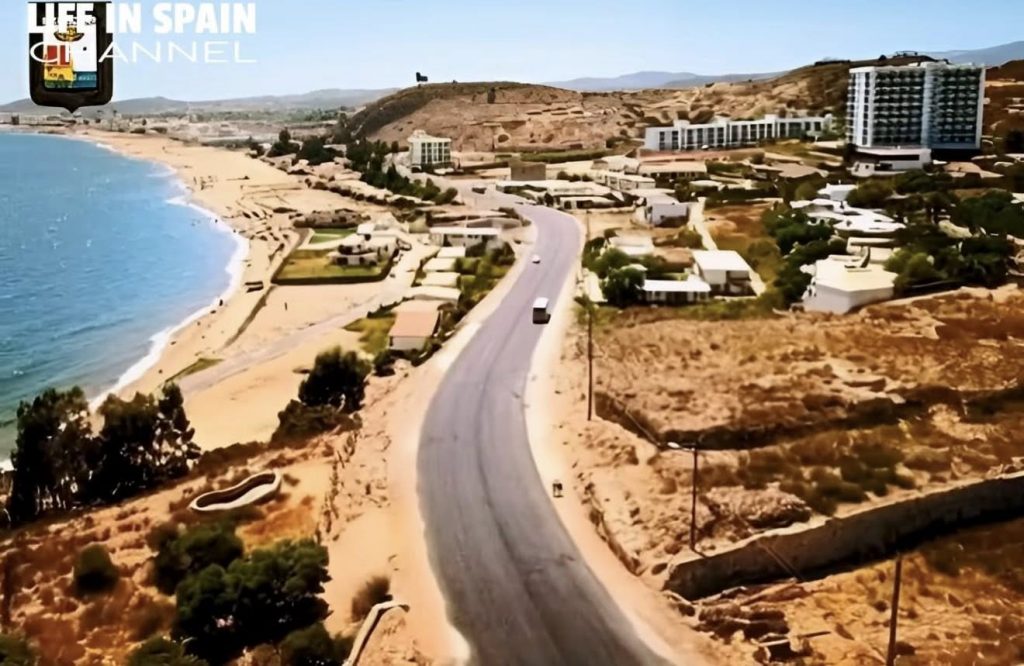
Tourism had barely touched the area. Spain in the 1950s, under the rule of Francisco Franco, was still relatively isolated from the rest of Europe. Foreign visitors were rare, and the Costa del Sol had not yet become the international destination it is now. A handful of curious travellers might pass through, drawn by the unspoiled coastline and year-round sunshine, but there were no high-rise hotels or busy promenades.
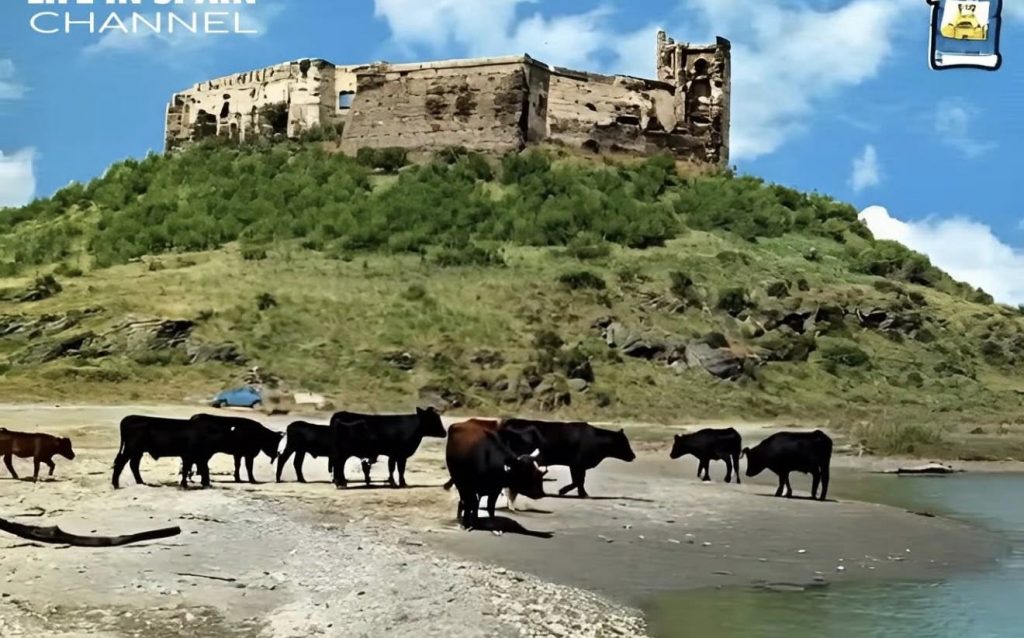
At the heart of the town stood Sohail Castle, quietly overlooking the coastline as it had for centuries, a reminder of Fuengirola’s long and layered history. Around it, life remained simple—anchored in tradition, family, and the sea.
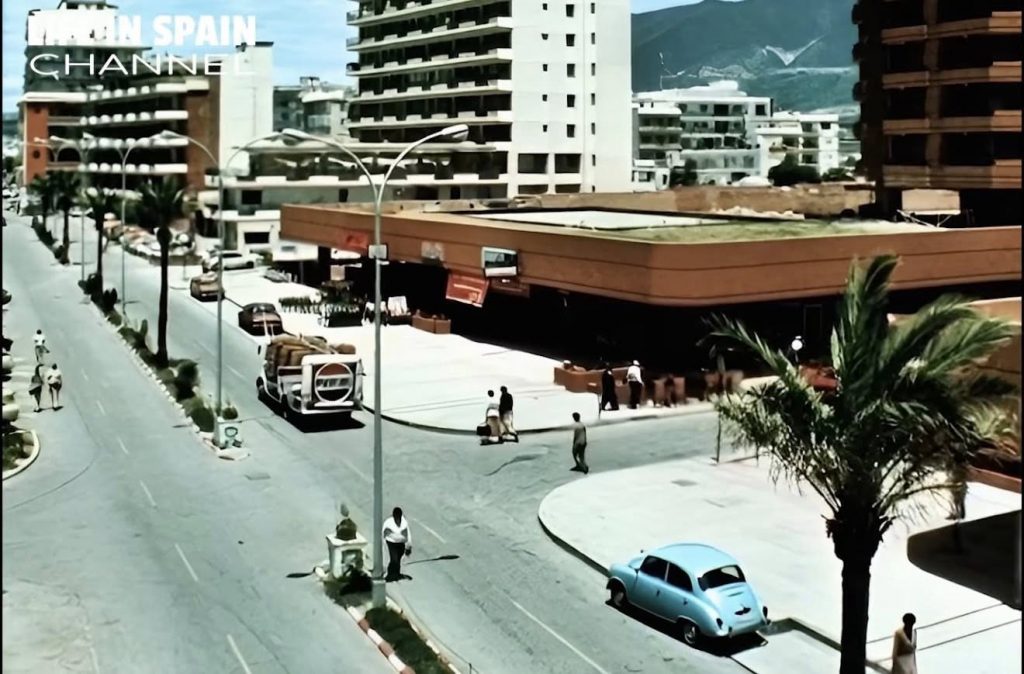
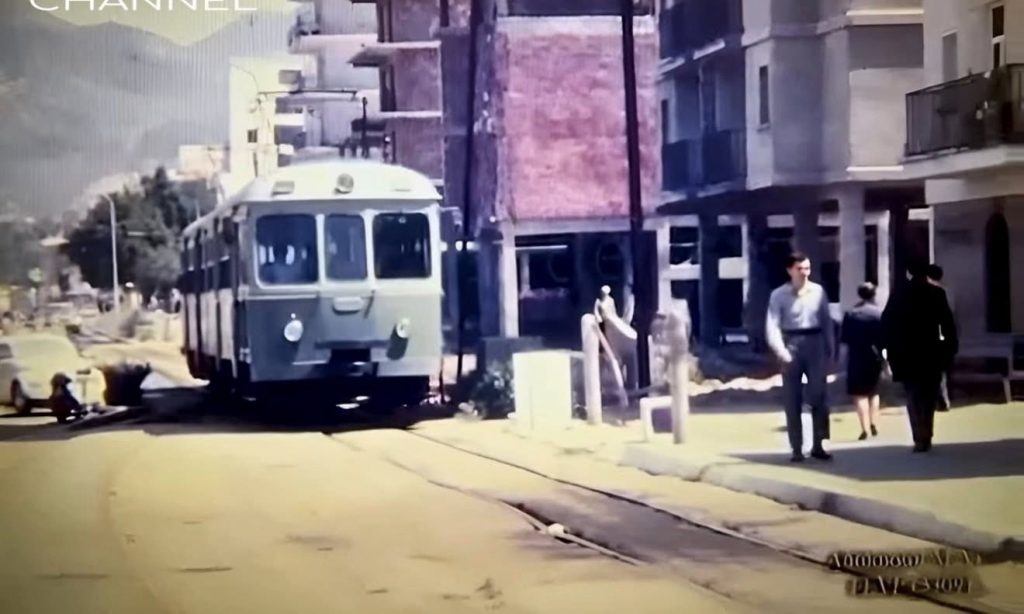
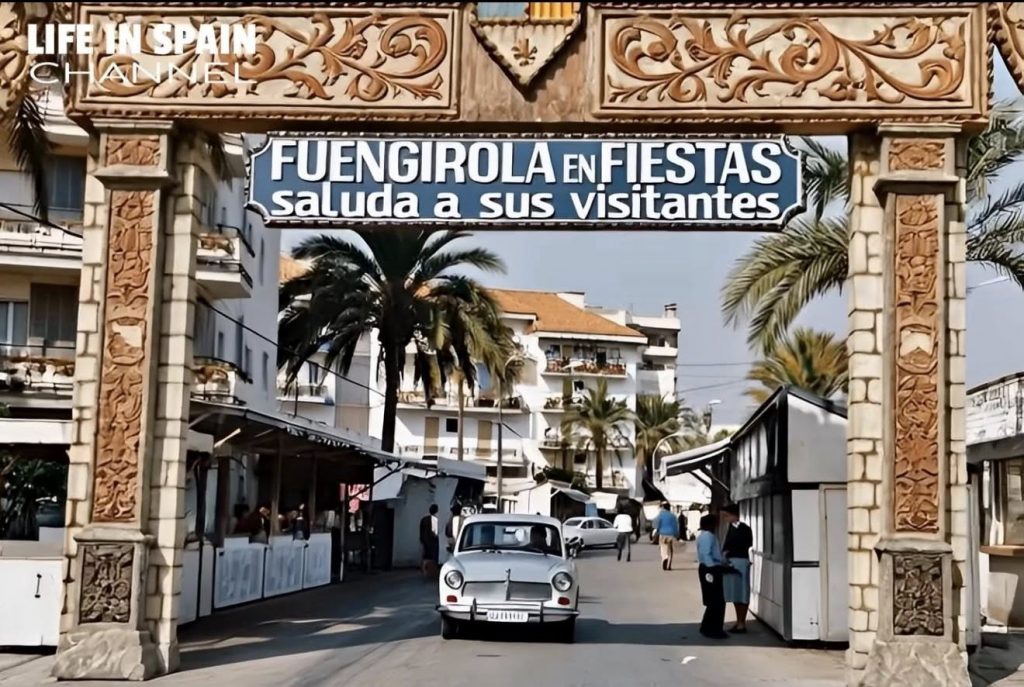
It wasn’t until the late 1950s and into the 1960s that change began to arrive. Roads improved, international interest grew, and the first signs of tourism started to reshape the town forever.
But in the 1950s, Fuengirola was still authentic, untouched, and deeply rooted in its Andalusian heritage—a place where time seemed to slow, and the Mediterranean dictated the pace of life.